UCLA School of Law proudly presents the Health & Human Rights Fellowship. Launched in 2011, and expanded in 2022, the program has provided specialized training to top law graduates for careers as impact-oriented public interest lawyers in the areas of health, human rights, HIV prevention, and gender equality. The program now features global eligibility to support activists and scholars around the world who have dedicated their work to addressing issues of access to health care and the resulting violations that occur when this right is denied in their home countries.
Fellowship Information
-
The fellowship offers a full-tuition grant to enroll in UCLA Law’s LL.M. (Master of Laws) Program. This includes the full cost of tuition, health insurance, and mandatory health facilities fees.
Fellows may earn a specialization in UCLA Law’s David J Epstein Program in Public Interest Law and Policy, Law and Sexuality, or related fields. Through Public Interest Law and Policy workshops and seminars, fellows will meet PILP students and faculty and study the problem-solving challenges faced in public interest legal practice. Fellows will examine the principal skills and conceptual approaches useful to public interest lawyers in the PILP seminar, Problem Solving in the Public Interest.
Through the course Human Rights and Sexual Politics, fellows will interact with students from medicine and public health, and conduct legal research and advocacy for a cause of their choice. Each UCLA Law Health & Human Rights Fellow will also elect other related courses and author a substantial writing assignment on a health, human rights, and/or gender equality-related legal issue facing their home country.
-
The UCLA Law Health & Human Rights Fellowship is open to legal professionals and law graduates holding LL.B. degrees classified second class (division two) or higher from law school programs. Competitive applicants will also have a demonstrated commitment to health, human rights, or gender equality, and work or volunteer experience, or research publications in these areas.
As a condition of the award, fellows will be asked to certify that they will return to their home country upon completion of their LL.M. degree, and commit to a public interest career that promotes health, human rights, and gender equality in their practice region.
Although successful candidates in the past have predominately come from Africa, any applicant who demonstrates a background and commitment to the purpose and vision of the fellowship will be considered upon receipt of their application.
-
To apply for admission, prospective students must submit an online application to UCLA Law's LL.M. Program, a separate supplemental application form for the UCLA Law Health & Human Rights Fellowship, and supporting documentation.
- UCLA Law LL.M. Program Application
To create an account and complete the online LL.M. program application, click the link above and follow the instructions to submit your application and supporting documentation via the LSAC platform between September 1 and February 1. - UCLA Law Health & Human Rights Fellowship Supplemental Application Form [PDF]
Click the link above to download the supplemental application for the Health & Human Rights Fellowship. After completing this form, include it as part of the "personal statement" file uploaded as a supporting document through the LSAC platform.
Applicants for whom the LSAC fees present a barrier to application may email llm@law.ucla.edu to request consideration for a waiver of the LSAC process.
Please direct questions about the fellowship to vanzyl@law.ucla.edu, and questions about UCLA Law's online LL.M. application procedure to llm@law.ucla.edu.
- UCLA Law LL.M. Program Application
-
UCLA School of Law is the youngest top law school in the U.S. It has pioneered innovative specializations and cutting-edge research centers, and has long been committed to skills training courses that offer students hands-on lawyering experience as they master legal doctrine.
The UCLA Law Health & Human Rights Fellowship is directed by Lara Stemple, Assistant Dean for Graduate Studies and International Student Programs.
Fellows
-
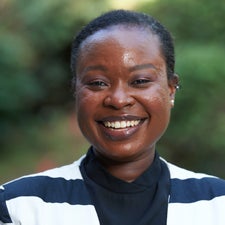 Wangû Gatonye (She/Her)
Health and Human Rights Fellow, 2026 (Expected)
LL.B. Cardiff University, 2018
B.A. Brock University, 2013Wangû Gatonye is a 2025-26 UCLA Health and Human Rights Fellow. She earned her Bachelor of Arts (Hons) in Women's Studies, with a minor in Intercultural Studies in 2013 from Brock University, Ontario, Canada. She then earned her Bachelor of Laws from Cardiff University, Wales, United Kingdom in 2018. Following the completion of her LL.B., Wangû attended Kenya School of Law, where she attained her Advocate’s Training Program Diploma. Subsequently, she was admitted as an attorney/advocate of the High Court of Kenya in 2022. Prior to joining UCLA as a fellow, she worked in various spaces that focused on sexual and gender-based violence and reproductive rights, from corporate entities to NGOs. At UCLA Wangû is an LL.M. candidate specializing in Human Rights and Technology Law, with a special focus on identity politics and reproductive rights.
 Kanmani Palanisamy
Health and Human Rights Fellow, 2026 (Expected)
M.Phil. University of Oxford
B.A. LL.B. Tamil Nadu National Law University, TiruchirappaliKanmani Palanisamy is a 2025-26 UCLA Health and Human Rights Fellow. She earned her B.A. LLB. (Hons) with a Gold Medal from the Tamil Nadu National Law University, Tiruchirappali (a small town in the beautiful seaside state of Tamil Nadu). Kanmani has always been interested in deepening her understanding of how to leverage her legal education to effect policy change and consequently followed up her law degree working as a research fellow with a member of India’s Parliament. Subsequently, she worked with several non-profit organizations conducting research and drafting and implementing interventions for effective deployment of welfare- and rights-based policies in India. Kanmani’s interest in social policy and development led to her completing an M.Phil. in International Development at the University of Oxford. At UCLA, she is currently pursuing a specialization in Public Interest Law and Policy. Some of her curricular highlights to date include UCLA’s Climate Change Seminar and Problem Solving in Public Interest. For those looking for a good stress buster, Kanmani recommends baking as a solid contender.
-
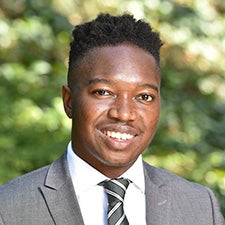 Ohene Yaw Ampofo-Anti
Sonke Health & Human Rights Fellow, 2019Ohene Yaw Ampofo-Anti was a 2018-19 UCLA-Sonke Health and Human Rights Fellow. He earned his LL.B. from the University of Cape Town in 2013 and was admitted as an attorney in 2017. Prior to attending UCLA, Ampofo-Anti worked as a trainee investigator at Public Protector South Africa (PPSA). At PPSA, he assisted with ongoing investigations into maladministration in various government entities. His work covered issues related to administrative justice, immigration law, family law, refugee and asylum seeker law, and socio-economic rights. Ampofo-Anti has also written legal articles for Ground Up, an online news publication covering social justice issues in South Africa. Ampofo-Anti’s articles have been featured on numerous news websites and publications throughout South Africa.
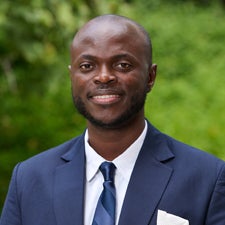 Ayodeji Ayolola
Health and Human Rights Fellow, 2024Ayodeji Ayolola was a 2023-2024 UCLA Health and Human Rights Fellow. He earned his Bachelor of Laws (LL.B.) at the University of Ibadan in 2016 and his qualification certificate at the Nigerian Law School in 2018. He is licensed as a barrister and solicitor of the Supreme Court of Nigeria and has practiced in commercial litigation and dispute resolution. Prior to joining the LL.M. program at UCLA Law, he served as an adjunct professor of corporate law at the Nigerian Law School for five years. While at UCLA, Ayodeji completed his LL.M. with a specialization in Public Interest Law and Policy. He also completed a judicial externship in the chambers of Associate Justice Martin J. Jenkins of the Supreme Court of California.
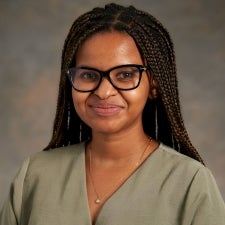 Chuma Bubu
Health and Human Rights Fellow, 2023Chuma Bubu was a 2022-2023 UCLA Health and Human Rights Fellow. She earned a Bachelor of Social Sciences in Economic History, International Relations and Politics 2014; and a Bachelor of Laws degree in 2017, both from the University of Cape Town. Chuma is an admitted attorney in South Africa. Prior to attending UCLA, Chuma held a position as an associate in the Public and Regulatory Law department at ENSafrica in Johannesburg. While at UCLA, she worked as a racial justice and human rights research assistant for the Promise Institute of Human Rights. Her primary research interest areas are at the intersection of human rights law, critical race theory and gender.
 Melissa Hendrickse
Sonke Health and Human Rights Fellow, 2022
Melissa Hendrickse was a 2021-2022 UCLA-Sonke Health and Human Rights Fellow. She earned a Bachelor of Arts in politics, history, and French in 2013, and a Bachelor of Laws degree in 2017, both from the University of Cape Town. She is admitted as an attorney in South Africa. Prior to attending UCLA, Melissa held a position as an associate in public and constitutional law at Webber Wentzel in Cape Town. While at UCLA, Melissa worked as a racial justice and human rights student fellow for the Promise Institute for Human Rights. In this role, she focused on issues surrounding climate reparations for previously colonized states. Melissa also interned as a critical race theory law clerk at the African American Policy Forum. Her primary interest areas are at the intersection of human rights law and racial justice, with a particular emphasis on restorative and redistributive justice for colonialism and other forms of racial oppression.
 Katy Hindle
Sonke Health & Human Rights Law Fellow, 2013Katy Hindle was a 2012-2013 UCLA Law – Sonke Health & Human Rights Fellow. She obtained a Bachelor of Social Sciences degree in Politics, Gender Studies and Sociology in 2005 and a Social Science degree in International Relations in 2008, both from the University of Cape Town in South Africa. Hindle also earned a postgraduate LL.B. degree at UCT in 2009 and completed her articles of clerkship at the firm Edward Nathan & Sonnenbergs, Inc. She was admitted as an attorney in South Africa in 2012.
During her year as a Sonke Fellow at UCLA Law, Hindle focused her studies on health, gender, human rights, and empirical legal studies. Wherever possible, Hindle made attempts to link the academic content of her law school coursework to current issues in South Africa; Hindle was “grateful that her professors allowed and encouraged her to do this.” It made the transition to joining Sonke upon graduation rapid, and she now “grounds her advocacy and research efforts within theoretical frameworks” she studied at UCLA Law.
After earning her LL.M. degree from UCLA Law, Hindle worked as a fellow in Sonke’s Policy Development and Advocacy Unit, focusing on projects relating to gender and the South African judiciary, the decriminalization of sex work, and research and advocacy surrounding sexual violence in prisons. After her fellowship, Hindle was hired as an associate in the Policy Development and Advocacy Unit at Sonke, and she plans to continue a lifelong career in public interest law in South Africa.
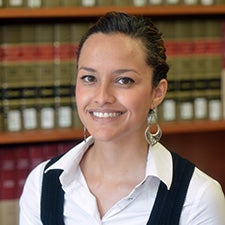 Mateenah Hunter
Sonke Health & Human Rights Law Fellow, 2014Mateenah Hunter was a 2013-2014 UCLA Law – Sonke Health & Human Rights Fellow. Prior to earning her LL.M. degree from UCLA Law, she earned a Bachelor of Laws degree from Wits University in 2009, completing her practical legal studies in the Human Rights Unit of Wits Law Clinic. Hunter served her articles of clerkship at the Legal Resources Centre in Johannesburg and then clerked for Justice Yacoob of the Constitutional Court of South Africa. She also briefly clerked for Justice Frank Stock, VP at the Hong Kong Court of Appeal before joining the Open Society Foundation for South Africa as a project officer in their Criminal Justice Initiative.
During her time at UCLA Law, Hunter pursued two specialized courses of study: Public Interest Law & Policy and Law & Sexuality. While at UCLA Law, Hunter felt as though she “was spoilt for choice due to the wide number of courses [she] could choose from covering issues of health and broader human rights.” She felt “fortunate . . . to be taught by great professors” and “really enjoyed being able to take courses in the Public Health School” while completing her LL.M. degree at the Law School because it offered a perspective beyond a legal one.
Upon graduation from UCLA, Hunter began working as a fellow in Sonke Gender Justice’s Johannesburg office. Through this fellowship, Hunter works in Sonke’s Policy Development and Advocacy Unit, focusing on several different projects, including: The Sex Work Decriminalization Project; The National Strategic Plan to End Gender-Based Violence; and Oversight and Accountability in the Criminal Justice System Involving Crimes Against Women. In July of 2014, through the UCLA-Sonke partnership, Hunter attended an intensive course on Women’s Health and Empowerment co-sponsored by the UC Global Health Institute’s Center of Expertise on Women’s Health and Empowerment and Aga Khan University in Nairobi, Kenya.
 Godfrey Kangaude
Sonke Health & Human Rights Law Fellow, 2013Godfrey Kangaude was a 2012-2013 UCLA Law-Sonke Health & Human Rights Fellow. Prior to pursuing his LL.M. degree at UCLA Law, Kangaude earned a Bachelor of Philosophy at Urbaniana, an LL.B. (Hons) at the University of Malawi, and an LL.M. degree at the University of the Free State in South Africa. Kangaude is an expert in sexual and reproductive rights, having previously worked for many years on research and advocacy concerning the high incidence of abortion-related morbidity and mortality with Ipas, an international NGO, in Malawi.
During his year as a Sonke Fellow at UCLA Law, Kangaude specialized in Public Interest Law & Policy, focusing his studies and coursework on sexuality, gender and human rights law. After earning his LL.M. degree from UCLA Law, Kangaude began working with Sonke Gender Justice as a Policy Development and Advocacy Fellow, where his work has focused on research, advocacy and training of men and boys to achieve gender equality.
Kangaude’s interests lay at the intersection of society, culture, and human rights, and in particular the sexual and reproductive rights of populations including adolescents, persons with disabilities, LGBTI persons, and women. He has published several works: Disability, the Stigma of Asexuality and Sexual Health: A Sexual Rights Perspective, 5 Rev. Disability Stud. 22 (2009); a chapter in the book Sexuality and Disability: Politics, Identity and Access (2010); and A Sexual Rights Approach to Addressing Gender-Based Sexual Violence Among Male Prisoners in Malawi, 14 Af. Hum. Rts L.J. 1 (2014), the latter of which he began in a seminar course at UCLA Law.
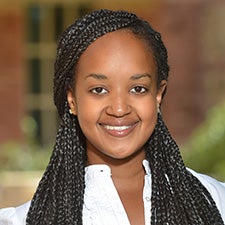 Portia Karegeya
Sonke Health & Human Rights Fellow, 2015Portia Karegeya was a 2014-2015 UCLA Law - Sonke Health & Human Rights Fellow. Prior to earning her LL.M. degree with honors from UCLA Law, she earned a Master of Laws from McGill University in 2013 and an LL.B. from the University of Cape Town in 2011, where she also graduated with a Bachelor of Economics and Law. A lawyer born in Rwanda, raised in Uganda, and educated in South Africa, Canada, and the U.S., Karegeya's research interests span the globe, and have focused on human rights, gender, global health, sexual violence, access to affordable medicines, and freedom of expression and information. Her current work includes legal research for the Global Freedom of Expression and Information @Columbia and work with the Health and Human Rights Law Project at UCLA Law. Karegeya has a forthcoming publication with Lara Stemple and Sofia Gruskin in Human Rights Quarterly entitled, "Human Rights, Gender, and Infectious Disease: From HIV/AIDS to Ebola."
 Emily Nagisa Keehn
UCGHI Women's Health & Empowerment Fellow, 2010Emily Nagisa Keehn is the associate director of the Academic Program in the Harvard Law Human Rights Program (HRP). Her work primarily focuses on the intersection of human rights issues with criminal justice, gender, and health.
Prior to joining HRP, Keehn worked in South Africa where she was the head of policy development and advocacy at Sonke Gender Justice in Cape Town. At Sonke, she developed cases for strategic litigation, and directed parliamentary engagement, research, and advocacy related to health, gender equality, sexual and gender-based violence, policing, and penal reform.
Keehn has published her scholarship in Feminist Criminology and the Health & Human Rights Journal, presented before the South African Parliament, and has helped shape national policies on corrections, gender, and health. Her media commentary has included the Guardian, Al-Jazeera, the Mail & Guardian, the Huffington Post, CNN, and United Nations IRIN News.
Previously, Keehn worked for the Health & Human Rights Law Project at UCLA School of Law and was awarded an inaugural UC Global Health Institute Women’s Health & Empowerment Fellowship. She also held positions with the Annenberg Foundation, mothers2mothers, Legal Aid of Cambodia, and Relief International. Keehn has a B.A. in Anthropology from UC San Diego, a J.D. from UCLA School of Law, and is a member of the State Bar of California.
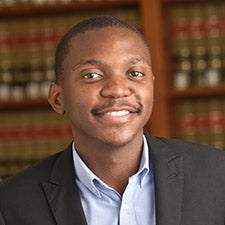 Ralph Madlalate
Sonke Health & Human Rights Fellow, 2018Ralph Madlalate was a 2017-18 UCLA Law-Sonke Health and Human Rights Fellow. Prior to completing his LL.M. at UCLA Law, he earned his LL.B. from the University of the Witwatersrand in 2014. Madlalate served as a research and teaching associate at the University of the Witwatersrand in 2015, and thereafter earned an LL.M. in human rights advocacy and litigation (cum laude) from the same university in 2016. That year, he joined the Legal Resources Centre as a candidate attorney, where he worked to advance civil, political, and socio-economic rights at the domestic and regional levels.
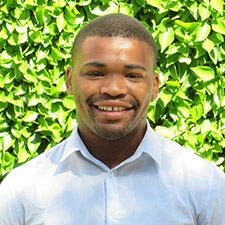 Thamsanqa Malusi
Sonke Health & Human Rights Fellow, 2020Thamsanqa Malusi was a 2019-20 UCLA-Sonke Health and Human Rights Fellow. He completed his LL.B. at the University of Cape Town in 2014, and a Bachelor of Social Science degree in political and legal studies from the same institution in 2012. Thamsanqa was admitted as an attorney in 2017. Prior to enrolling at UCLA, he worked as an associate in a public interest law firm in Johannesburg, where he focused his practice on land reform, occupational health and safety, consumer protection, and constitutional and administrative law. Thamsanqa has extensive experience assisting mining communities and land restitution beneficiaries with settlement agreements, negotiations, commercial structures, and proceeds management with an eye to transparency and accountability. His legal career includes work on several high-profile South African cases, ranging from a class action lawsuit for victims of the listeria outbreak to litigation against South Africa’s gold mining industry, which culminated in the largest settlement in South Africa’s legal history.
 Sinethemba Memela
Health and Human Rights Fellow, 2023
LL.B. University of the Witwatersrand, 2015
 Nabeelah Mia
Sonke Health & Human Rights Fellow, 2017Nabeelah Mia was a 2016-2017 UCLA Law-Sonke Health and Human Rights fellow. Prior to completing her LL.M. at UCLA Law, she earned a Bachelor of Social Science in Psychology and Law in 2009 and a Bachelor of Social Science (Honours) in Psychology in 2010, both at the University of Cape Town. She also earned a Bachelor of Laws at the University of Cape Town in 2012. In 2013, Mia completed her articles of clerkship at Webber Wentzel, a South African law firm, and was appointed as an associate in the Corporate Practice department in 2015. Her areas of interest include sexual and reproductive health and rights, with a particular emphasis on adolescents, as well as on prison advocacy and reentry services.
 Letlhogonolo Mokgoroane
Sonke Health & Human Rights Fellow, 2018Letlhogonolo Mokgoroane was a 2017-18 UCLA Law-Sonke Health and Human Rights Fellow. Before completing his LL.M. studies at UCLA, he earned his LL.B. from Stellenbosch University in 2013. At Stellenbosch, Mokgoroane served as a tutor and as an on-campus residence academic mentor. He co-founded the First Generation Camp, which ensures that first-generation university students are equipped with the skills needed to succeed. Following graduation, Mokgoroane completed his articles and was appointed as an associate at Bowman Gilfillan Inc. in Johannesburg. He then clerked for Justice Mbuyiseli Madlanga at the Constitutional Court of South Africa. He is a co-creator of the Cheeky Natives – a literary podcast that reviews arts and literature of black authors and creative people. His areas of interest include identity politics and sexuality, intersectionality, and socio-economic rights.
 Tzili Mor
UCLA School of Law Visiting Jurist, 2014A former Visiting Jurist at UCLA School of Law’s Visiting Scholars & Researchers Program, Tzili Mor is an international human rights expert in advocacy, law reform, and litigation focused on gender justice and women’s human rights. Previously she was acting director and clinical fellow at Georgetown Law’s International Women’s Human Rights Clinic, a global coordinator on human rights defenders with Amnesty International, and a human rights and gender specialist with the American Bar Association Rule of Law Initiative, based in the Middle East and Central Asia. She served as a Gender Justice Adviser in Afghanistan working with the country’s first special prosecution Unit on Violence Against Women. She holds a B.A. from UCLA, a Master of Science degree focused on International Development from Georgetown University, and J.D. and LL.M. degrees in advocacy and international human rights law from Georgetown Law.
 Manisha Munshi
UCGHI Women’s Health & Empowerment Fellow, 2010Manisha Munshi was a Women’s Health and Empowerment Fellow at the UC Global Health Institute. Through this fellowship, funded by the National Institutes for Health Fogarty International Center, Munshi’s research focused on legal empowerment models to help combat the spread of HIV/AIDS among women in detention in South and Southeast Asia. She conducted her research at Just Detention International, a human rights organization in Los Angeles that works to end sexual abuse in detention. Munshi examined the legal framework relevant to women in detention in South and Southeast Asia. She also conducted qualitative field research in Mumbai, India exploring sex workers’ experiences with detention. Munshi was mentored by Lara Stemple at UCLA School of Law, David Eisenman at UCLA David Geffen School of Medicine, and Lovisa Stannow at Just Detention International.
Munshi earned her A.B. with a joint concentration in Social Studies and Women, Gender, and Sexuality Studies from Harvard College (2006) and her J.D. from the UCLA School of Law (2010). Her research interests include international law, human rights, trafficking and sex work, and the intersections among these topics. She has conducted anti-trafficking work for Saathi, a Mumbai-based NGO, and has researched refugee resettlement policies at the office of the UN High Commissioner for Refugees.
 Elizabeth Mzungu
Health and Human Rights Fellow, 2024
Elizabeth Mzungu was a 2023-24 UCLA Health and Human Rights Fellow. She earned her B.Com Law cum laude in 2010 and LL.B. in 2011, both from the University of Pretoria in South Africa. Before joining UCLA, she worked in legal mediation and policy advocacy for greater accessibility to public resources. While at UCLA, she completed her LL.M. with a specialization in Public Interest Law and Policy as well as in Law and Sexuality. She focused on the intersectionality of law, race, sexuality, and public benefits. She was a 2024 U. Serve L.A. honoree and graduated with the highest pro bono distinction for her contributions to the PILP community and for her completion of over 70 hours of pro bono work with underserved communities in Los Angeles. She contributed to a forthcoming publication by the UCLA Institute for Technology, Law & Policy wherein she used her public interest lens to develop policy recommendations for the governance of extended reality technologies.
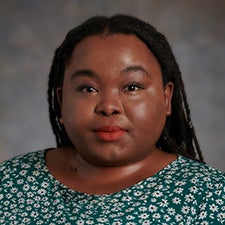 Sandile Ndelu
Sonke Health and Human Rights Fellow, 2022
Sandile Ndelu was a 2021-2022 UCLA-Sonke Health and Human Rights Fellow. She holds a Bachelor of Laws as well as a Bachelor of Arts in Media and Writing Studies, both from the University of Cape Town. An attorney of the High Court of South Africa, Sandile was most recently attorney and advocacy coordinator at the University of the Witwatersrand’s Centre for Applied Legal Studies (CALS). There, she worked across all programmatic areas of the public interest law organization, namely in business and human rights, civil and political justice, environmental justice, gender justice, and home, land, and rural democracy. She currently leads the philanthropic advocacy team at FRIDA | The Young Feminist Fund, an intermediary fund committed to moving resources to young feminist collectives in the global south.
 Ariane Nevin
Sonke Health & Human Rights Fellow, 2015Ariane Nevin completed a Bachelor of Arts in Philosophy, Politics and History and subsequently pursued her interest in human rights by earning a postgraduate degree in Law at the University of Cape Town. During her time at UCT, she participated in student activism and community outreach and became a member of Students for Law and Social Justice, a national student movement dedicated to protecting human rights, preventing discrimination and promoting the rule of law. In 2013 Nevin joined SECTION27 as a fellow, where she worked on issues relating to the right to education. After completing her fellowship, she remained at SECTION27 as a junior researcher and expanded her portfolio to include access to healthcare. Nevin plans to pursue a career in public interest law, and hopes to focus on issues relating to healthcare access.
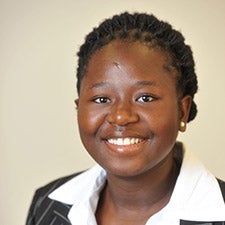 Nomonde Nyembe
Sonke Health & Human Rights Law Fellow, 2012Nomonde Nyembe was one of the two inaugural UCLA Law-Sonke Health & Human Rights Fellows during the 2011-2012 academic year. Prior to pursuing her LL.M. degree at UCLA Law, Nyembe earned her LL.B. degree at the University of the Witwatersrand and completed her articles of clerkship at the firm Edward Nathan & Sonnenbergs, Inc. She then clerked for Justice Mogoeng Mogoeng of the Constitutional Court of South Africa.
During her year as a Sonke Fellow at UCLA Law, Nyembe specialized in Public Interest Law & Policy, focusing her studies on gender, health, and human rights. Nyembe appreciated the multidisciplinary nature of her studies at UCLA Law and especially the opportunity to take two classes outside of the law school in public health and advocacy. Nyembe’s courses at the law school, especially Human Rights & Sexual Politics, helped her to “contextualize sexuality as a human rights issue, a political issue . . . related to and at times dominated by a health discourse.” Through the Public Interest Law & Policy specialization, Nyembe received invaluable training “on the utility, complexity, and multifaceted nature of advocacy for social justice.”
After earning her LL.M. degree from UCLA Law, Nyembe began working at Sonke Gender Justice where she conducted research for advocacy purposes, made written and oral submissions to government bodies, and helped local communities with capacity building and mobilization. Nomonde worked at Sonke as a Policy Development and Advocacy Associate for an additional year after her fellowship year ended. She now works at the University of the Witwatersrand in the Centre for Applied Legal Studies, a law clinic that engages in advocacy and litigation. Her current work is centered specifically in the Business and Human Rights Programme which aims to ensure that corporate entities abide by and advance human rights principles.
 Thabang Pooe
Sonke Health & Human Rights Law Fellow, 2016Thabang Pooe was a 2015-2016 UCLA-Sonke Health and Human Rights Fellow. Prior to earning her LL.M. degree from UCLA Law, Pooe earned an LL.B. from North West University in 2011 and served as clerk for Justice Mbuyiseli Madlanga on South Africa's highest court, the Constitutional Court of South Africa. She also served as fellow and legal researcher for SECTION27, a public interest law center in South Africa. Pooe currently serves as a liaison for Out in Africa Ride, an organization that supports African NGOs working on LBGT rights. Her areas of interest concern the right to education and the right to health, with specific focus on access to health services, sanitation and school infrastructure, sexual victimization in schools, HIV, and medical scheme regulation.
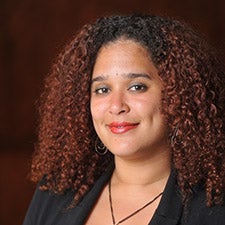 Cherith Sanger
Sonke Health & Human Rights Law Fellow, 2012Cherith Sanger was one of the two inaugural UCLA Law-Sonke Health & Human Rights Fellows during the 2011-2012 academic year. Prior to studying at UCLA Law, Sanger was an accomplished litigator working to end sexual and domestic violence, hate crimes, and discrimination against LGBTI persons. In addition to her six years as a litigator, Sanger had also taught a course in Legal Education and Development to candidate attorneys in South Africa.
During her year as a Sonke Fellow at UCLA Law, Sanger specialized in Public Interest Law & Policy. In fact, Sanger applied for the UCLA-Sonke Fellowship program for the specific purposes of “further developing her skills as a public interest lawyer,” with the intention of “taking her advanced skills back to South Africa to reduce gender based violence and HIV and the impact of AIDS.”
After earning her LL.M. degree from UCLA Law, Sanger worked at Sonke as a fellow in the Policy Development and Advocacy Unit. Sanger stayed on at Sonke after her fellowship year ended and was promoted to a management position in the Policy Development and Advocacy Unit. Sanger currently works as an independent legal consultant in Cape Town, South Africa, providing legal services and conducting research and writing in the areas of gender, health, and human rights law.
 Sekgame Shadrack Tebeile
Sonke Health & Human Rights Law Fellow, 2014Shadrack "Shaddy" Tebeile was a 2013-2014 UCLA-Sonke Health & Human Rights Fellow. He obtained a Bachelor of Laws degree from University of Limpopo in 2012. Tebeile then clerked for clerked for Justices Froneman and Skweyiya of Constitutional Court of South Africa. He was admitted as an Advocated of the High Court of South Africa in 2013.
Tebeile had an interesting and challenging experience as a Sonke Fellow during his year at UCLA Law. Tebeile believes that studying at UCLA Law “granted him an opportunity to be exposed to different dilemmas faced by the international community” with respect to health and human rights.
Tebeile is now studying for the Doctor of Laws (LL.D.) degree at the University of Fort Hare with a focus on the judicial realization and enforcement of socio-economic rights in South Africa. After the completion of his LL.D., Tebeile intends to teach public interest law in South Africa and pursue a Ph.D. related to access to higher education.
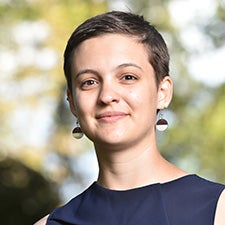 Nicole van Zyl
Sonke Health & Human Rights Fellow, 2019Nicole van Zyl was a 2018-2019 UCLA-Sonke Health & Human Rights Fellow. She completed her LL.B. at the University of Cape Town in 2016, and a Master’s degree in Criminology, Law and Society from the same institution in 2017. Since earning her LL.B., she has tutored students in Constitutional Law, Criminal Law, and the Law of Evidence at the University of Cape Town, in addition to providing mentoring and additional academic support to students. During her time teaching, she conducted research and wrote about legal issues surrounding the sexual grooming of children. Van Zyl is primarily interested in issues of criminal defense, penal reform, and the socio-economic rights of persons re-entering communities after incarceration.
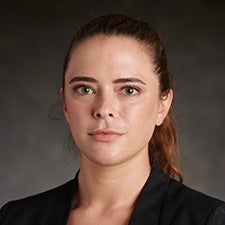 Lauren Venter
Sonke Health and Human Rights Fellow, 2022
Lauren Venter was a 2021-2022 UCLA-Sonke Health and Human Rights Fellow. She earned a BA Law degree in 2015 and a Bachelor of Laws degree in 2017, both from the University of Pretoria. She was admitted as an attorney in South Africa in January 2021. Prior to attending UCLA, Lauren worked as an associate at DLA Piper in Johannesburg as part of the Banking, Finance and Restructuring team. In this role, she focused primarily on cross-border banking, finance, and restructuring transactions, and was also involved in many pro bono matters. These included projects for organizations such as UNICEF and UNAIDS, which involved advising and conducting research on the reproductive rights of women in African countries, domestic violence and sexual assault laws in South Africa, and the rights of prisoners in various African countries during the COVID-19 pandemic. Lauren’s interests lie in public interest and health law.
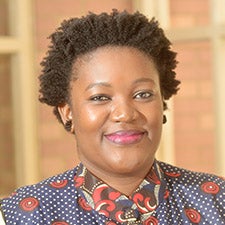 Nobukhosi Ntombifuthi Zulu
Sonke Health & Human Rights Fellow, 2017Nobukhosi Zulu was a 2016-17 UCLA Law-Sonke Health and Human Rights Fellow. A Zimbabwean national, Zulu earned an LL.B. at University of KwaZulu-Natal in 2012. In 2013, she conducted research with a focus on economic development and governance systems. In 2014, Zulu began articling at Lawyers for Human Rights, where she worked in the refugee and migrant rights clinic. Her work centered on a project with former and current Mozambican migrant mine workers and their families in rural Mozambique. Zulu has also worked with a Zimbabwe-based NGO that provides sexual and reproductive health education resources and sanitary supplies to girls. Her interests include gender equality, sexual and reproductive rights, migration, and economic justice. At UCLA, Zulu focused her research on migration and human rights issues as they relate to women and children.
Lindsey Zwicker
Women’s Health & Empowerment COE Coordinator, UC Global Health Institute, 2012Lindsey Zwicker served as COE Coordinator from November 2010 through August 2012. She received a joint JD/MPP from UCLA in May 2010 and has spent much of her work and academic career focusing on sexual and reproductive health and rights. After receiving a B.A. in Women’s Studies from UC Santa Barbara, she worked as a Program Assistant for the Center for Reproductive Health Education in Family Medicine (“RHEDI”) at Montefiore Hospital in the Bronx. She then spent some time as a research assistant for the Irish Family Planning Association, in which she researched Irish adolescents’ access to contraception and sexuality education for a policy report on minors’ restricted access to the full range of reproductive healthcare. During law school, she spent summers working as a law clerk for the New York Civil Liberties Union, Reproductive Rights Project and the Center for Reproductive Rights. Throughout her graduate studies, she focused much of her research and advocacy interests on human rights, sexual violence and women’s conditions in prisons, and HIV/AIDS policies. In her role as COE Coordinator, Lindsey liaised with the faculty leadership to manage the Center and contribute substantively to its conceptualization, growth and development.
When it comes to financing your pursuit of an LL.M. degree, there are a number of options to consider for securing funding. While the list of options below is not exhaustive, it provides links to a variety of resources for learning about scholarship, fellowship, grant, and loan opportunities through private, non-profit and governmental sources. International students are encouraged to seek financial aid funds from additional sources in their home countries. Consider contacting the U.S. embassy or consulate in your home country to inquire about sponsoring organizations and agencies.
-
Dean's Tuition Fellowship Awards
All applicants receive full consideration for our very limited number of Dean's Tuition Fellowship awards. No application is necessary; grantees will be notified by the LL.M. Program after receiving their offer of admission. Awards are granted on both a need-based and merit-based basis. In the "Finances" section of the online LL.M. Program application, you are welcome to bring to the Graduate Studies Committee's attention any information that will assist the committee in making a determination regarding a financial aid award.
Law Library Research Assistants Program
Research Assistants are occasionally hired to help law professors with their research needs. Students typically work 10 hours per week for a rate of approximately $25.00 per hour. Successful candidates must demonstrate academic excellence as well as research proficiency. The number of positions available in a given year is dependent on the needs of the faculty, and thus is highly variable. In some years, there may be no open positions. Openings for Research Assistant positions are posted with the Office of Career Services, and applications are accepted after the start of the academic year in August.
-
StudentAid is a resource from the U.S. Department of Education's office of Federal Student Aid .
FinAid provides detailed information about scholarships, loans, military aid, and other funding opportunities for U.S. students seeking financial assistance for graduate study.
Gould & Jefferson of Beverly Hills ScholarshipGould & Jefferson of Beverly Hills offers a $2,500 scholarship for students experiencing financial strain. Candidates must demonstrate financial need, provide proof of academic excellence, and complete an essay on one of three available prompts. Both international and domestic students are eligible for consideration.
Yuanda-UCLA Law Scholarship
This full-tuition award was established by UCLA Law alumnus John H. Huang (LL.M. '97). Eligible candidates will be experts in Chinese law who are able to participate in an intensive in-person competition held in Shanghai. For more details, contact Andy Pan, apan@yuandapartners.com.
Educational Loan Information
FAFSA (Free Application for Federal Student Aid)
The Free Application for Federal Student Aid (FAFSA) is a government form which enables the school to determine students' eligibility for a Federal Direct Unsubsidized loan. The FAFSA must be completed each year by all who wish to be considered for federal financial aid at UCLA.
Completing the FAFSA online reduces errors and improves turnaround time. You can do this by going to studentaid.gov. Request that a copy of the FAFSA be released to UCLA by indicating our school code: 001315.
The FAFSA should be submitted as early as possible after January 1
Even though your Social Security Number is not required on the admission application, the school will not receive your FAFSA and thus will be unable to determine your need eligibility unless you provide us with your SSN. If you have omitted the SSN from your admission application, you can add it via your MyUCLA portal.
William D. Ford Federal Direct Loan Program
On July 4, 2025, a reconciliation bill was signed into law that significantly impacts federal financial aid programs.
Federal Direct Unsubsidized Loan
Starting July 1, 2026, new LL.M students to the UCLA School of Law will be eligible to borrow a Direct Unsubsidized Loan of up to $20,500 annually.
Limits Amount Definition Annual Loan Limit $20,500 The maximum loan amount you can borrow each academic year (based on full-time attendance) Aggregate Loan Limit $100,000 The maximum amount of unpaid principal balance minus any capitalized interest that you can have outstanding at any point in time on all of your subsidized and unsubsidized loans for undergraduate, graduate, or professional study Lifetime Maximum Loan Limit $257,500 The maximum amount you can receive, regardless of any amount paid or discharged, in any combination of subsidized loans, unsubsidized loans, and Direct PLUS Loans for graduate or professional study For the 2026-27 academic year, the Direct Unsubsidized Loan interest rate will be 8.07 percent, and have a loan origination fee of 1.057 percent. The federal government automatically deducts the loan fee from each disbursement; therefore, the original (gross) amount requested and the disbursed (net) amount differ. Interest rates for each academic year are set by the Department of Education every summer.
The student is responsible for the interest, which accrues immediately upon disbursement. Repayment begins six months after graduation or upon dropping below half-time enrollment.
All applicants must submit a FAFSA in order to be considered for a federal student loan.
Entrance Counseling
Important! All first-time federal loan borrowers at UCLA need to be informed about borrowers’ rights and responsibilities. Law students will satisfy this requirement by completing an online Entrance Counseling Session. This can be accomplished by reviewing the counseling session materials and taking an online quiz. All quiz results are transmitted electronically to the UCLA Student Loan Services and Collections Office.
Please be sure to indicate "UCLA, University of California, Los Angeles" as your institution when registering your account to ensure that you are directed to the entrance exam.
Failure to follow through with this requirement will delay disbursement of your eligible Federal Direct Loan proceeds.
Credit-Based Private Loans
Federal student loans are available to most students regardless of income and provide a range of repayment options, including income-based repayment plans and loan forgiveness benefits, which other education loans are not required to provide.
Private student loans can help close the gap between tuition costs and other financial aid. It also is possible to jointly borrow private educational loans and federal loans up to your total cost-of-attendance budget minus any gift aid received.
The majority of private lenders will conduct a credit check, and your credit score will play a role in determining loan’s interest rate. Some private lenders will require a co-signer based in the United States. The loan “terms” (interest rates, repayment schedules, co-signer requirement’s, etc.) will vary based on the lender.
Application Process
- Research the various private lender options available to you.
- UCLA maintains a Preferred Private lender List which can be found here: UCLA Lender List
- Domestic JD and LL.M. students select Program = Law School
- International students select Program = International
- MLS students select Program = Graduate School
- Our Preferred Private Lender List is provided for informational purposes only.
- You may choose to use other search tools like the AccessLex's Private Loan Exchange, and you may choose any private student loan lender not just one from UCLA's Preferred Lender List.
- UCLA maintains a Preferred Private lender List which can be found here: UCLA Lender List
- Determine which private student loan lender's terms are best suited for your specific needs, For additional information see the AccessLex Guide to Private Student Loans.
- Submit an application directly with the lender of our choice. Make sure that your name, address, and social security number in your loan application exactly match your information in your MyUCLA account.
- Once your application is completed the lender will request UCLA certify your attendance and the amount of the loan eligibility based on our cost-of-attendance. Private loan certification for the upcoming academic year will begin in July.
Application Deadline
While you may apply for a private loan throughout the academic year, if you need funds to pay for the fall semester tuition, it is recommended that you apply in June.
Code of Conduct – Preferred Lenders.
Bar Loans
Law students may apply for Bar Loans for the period after graduation when they are studying for the bar. A Bar loan is an unsecured consumer loan offered to graduating law school students to assist with expenses related to the bar process. These related expenses may include the following: bar examination fees, bar review courses, and living expenses during the period after graduation and prior to being notified of the exam results.
Bar Loan interest rates are generally higher than those of federal and private loans. Students should review the product guidelines and repayment options before applying. See UCLA’s Preferred Lenders List for a list of Bar Loan lenders.
Please note: For graduates needing to obtain a Bar Loan after graduation, when using UCLA’s Preferred Lender List (ELM Select), please indicate that your graduation date will be in the future in order to obtain a potential list of lenders that offer this product.
- Research the various private lender options available to you.
-
Please note that the outside funding organizations listed below are not affiliated with or endorsed by UCLA School of Law.
eduPASS
EduPASS provides financial aid information for international students who plan to pursue higher education in the U.S. This site presents information about how to calculate college costs, scholarships and loans for international students, and other tools and resources for financing education as a foreign student in the U.S.Fulbright Foreign Student Program
The Fulbright Foreign Student Program brings citizens of other countries to the United States for Master’s degree or Ph.D. study at U.S. universities or other appropriate institutions. Foreign students apply for Fulbright Fellowships through the Fulbright Commission/Foundation or U.S. Embassy in their home countries.Gould & Jefferson of Beverly Hills Scholarship
Gould & Jefferson of Beverly Hills offers a $2,500 scholarship for students experiencing financial strain. Candidates must demonstrate financial need, provide proof of academic excellence, and complete an essay on one of three available prompts. Both international and domestic students are eligible for consideration.Institute of International Education
IIE offers foreign students a toolkit of resources for funding study in the U.S., with a focus on sources such as the Fulbright Program, Education USA, and Funding For U.S. Study.IIE PEER
The Institute of International Education (IIE) and the Catalyst Foundation for Universal Education together have launched the IIE Platform for Education in Emergencies Response (IIE-PEER). This platform serves as an online clearinghouse that connects displaced and refugee students with educational opportunities, scholarships, and language learning or online courses in numerous countries across the globe to provide continued access to formal and informal higher education.internationalstudentloan.com
InternationalStudentLoan.com provides financial aid resources, articles, videos, and comparison tools to help students navigate their financial aid options. The site offers loan information for international students pursuing study in the U.S.International Student
International Student serves as a resource for international students who will be entering and living in the U.S. Along with immigration, visa, and health insurance information, the site provides foreign students seeking guidance regarding financial aid and study in the U.S. with an overview of scholarship sources, how to create a budget, loans, and other related assistance.International Student Organization in the USA (ISO)
ISO provides a detailed list of organizations which offer scholarships and grants to international students based upon factors such as background and area of interest.Philanthropic Educational Organization (P.E.O.) International
The P.E.O. International Peace Scholarship (IPS) provides scholarships up to $12,500 for women from other countries for full-time graduate study in the U.S. and Canada.Postgrad Solutions Global LL.M. Study Bursary
Postgrad Solutions offers 10 global and U.S. LL.M. study bursaries per year of £500 each to domestic, international, and UK students who have been accepted to an LL.M. Program in the U.S. or abroad. Eligible candidates must have already accepted an offer at the chosen institution where they intend to pursue the LL.M. Up to 5 additional £2,000 bursaries are also on offer to postgraduate students of all disciplines and backgrounds to those who apply by the applicable deadline.UCLA Lender List
A list of private loan lenders. Click on "International" for program type.University of California Code of Conduct in Regard to Preferred Lender Arrangements
The UC code of conduct for preferred lenders. Note: International students would select “International” under program type.Yuanda-UCLA Law Scholarship
This full-tuition award was established by UCLA Law alumnus John H. Huang (LL.M. '97). Eligible candidates will be experts in Chinese law who are able to participate in an intensive in-person competition held in Shanghai. For more details, contact Andy Pan, apan@yuandapartners.com.Asia
Bridgat Technology Limited
The Bridgat Scholarship Program awards merit-based funds in the form of a one-time $6,500 scholarship to graduate students pursuing an advanced degree (either masters or doctoral) in any subject at an accredited U.S. institution. Eligible candidates must be citizens of an Asian country.Belgium
The Belgium American Educational Foundation (BAEF)
BAEF offers non-renewable grants to Belgian citizens for one academic year of graduate study in the U.S. The Foundation will pay up to $30,000 for tuition and health insurance at a U.S. institution and $18,000 to cover living and travel expenses.Brazil
Fundação Estudar
Fundação Estudar offers scholarships to Brazilian nationals and citizens who want to further their education by pursuing undergraduate or graduate study in Brazil and abroad.Instituto Ling
Instituto Ling/EAGV-LLM offers partial scholarships to Brazilians who have been accepted to an LL.M. Program in the U.S. or Europe and can demonstrate a need for funding. Individual amounts of funding vary, but a typical award is approximately $5,000 to $25,000.Canada
Aide Financière Aux Études
Aide Financière Aux Études provides Canadian citizens or permanent residents who are residents of Quebec with financial assistance for full-time study at an educational institution in or outside of Quebec through the Loans and Bursaries Program. Funding is provided in the form of loans or bursaries in varying amounts.Government of Canada
Scholarships for graduate level study/research offered to Canadians wishing to study abroad.Czech Republic
Bakala Foundation Scholarship
Financial support to highly-achieving Czech students looking to study abroad. Eligibility: prospective students seeking an integrated bachelor's or master's programs at a leading university abroad. Student must have Czech citizenship or a permanent residence permit in the Czech Republic and be no older than 33 years of age at the time of application.The Kellner Family Foundation
Grants available for Czech students to use towards tuition fees, and costs of living such as apartment rent, books and other necessities.Nadace Sophia
This foundation focuses on supporting talented students in their university studies of Economics and Law.Nadace Nadání Dání Josefa, Marie A Zdeňky Hlávkovych
See webpage for further details.Stipendium Bariéry (The Bariéry Scholarship)
A national scholarship program supporting high school and university (not including doctoral) Czech students with disabilities under 30 years of age at the time of application.Region-Specific Scholarships
Fond Renesance
Scholarships available for Czech students from Ústí nad Labem.Ostrava Region Scholarships
Scholarships available for Czech university students from the Ostrava region.Olomouc Region Scholarships
Scholarships available for Czech university students from the Olomouc region seeking short-term (10 months or less) study abroad.Prague Scholarships
Scholarships available for Prague high school and university students.Světluška Support
For Czech students with visual impairments.Finland
Finlandia Foundation National P.J.C. Lindfors Legal Studies Fund
The P.J.C. Lindfors Legal Scholarship is open to citizens of Finland who have applied to, been accepted to, or enrolled in an ABA-approved law school. Typical awards are offered in the amount of $1,000 - $3,000.France
White & Case Annual Business Law Scholarship
White & Case awards an annual €40,000 scholarship (split among three students) to economically disadvantaged law students interested in study abroad. This scholarship is unique among law firms in Paris.Germany
Brain Capital: The LL.M. Education Fund
The LL.M. Education Fund offers income-based repayment financing options to cover tuition fees and living expenses for LL.M. studies. German students seeking to pursue an LL.M. degree abroad are eligible, and applications are accepted on an ongoing basis. Fund recipients receive financial support to cover their program fees and living expenses, and income-based repayment will begin after graduation from the LL.M. program.Italy
Italian Student Loan Fund (Fondo per Studenti Italiani)
The fund offers financial aid to Italian university graduates who wish to attend a post-graduate course (master or Ph.D.) in the U.S. Financing is awarded at a maximum of €20,000.Los Angeles County Italian-American Lawyers Association (IALA)
IALA has annually awarded this $3,000 scholarship since its founding in the 1970s, principally to advance Italian-American lawyers onto the bench.Latin America and the Caribbean
COLFUTURO
COLFUTURO provides Colombian citizens seeking postgraduate study abroad with scholarship loans of up to $25,000 per year for a maximum study period of two years through the "Crédito Beca" program.The Rowe Fund (Organization of American States)
The Rowe Fund helps qualified citizens from Latin America and Caribbean OAS Member States finance their studies across the U.S. with awards of interest-free loans of up to $15,000.Netherlands
WilWeg
WilWeg lists a variety of scholarship programs for study abroad, including the Holland Scholarship and others administered by EP-Nuffic. Study in Holland provides a comprehensive database of grant and scholarship opportunities, within which candidates may search on the basis of awards covering the field of law. The Beursopener search engine additionally provides a listing of over 250 grants and scholarships for Dutch students seeking internships, research opportunities, and positions abroad.Scandinavia
American-Scandinavian Foundation (ASF)
ASF offers funding to citizens of Denmark, Finland, Iceland, Norway, or Sweden to pursue study or research programs (typically at the graduate level) in the U.S. for up to one year.NORAM Scholarships
The Norway-America Association offers stipends to Norwegian citizens for graduate study and research in the U.S. in the amount of $2,000 to $20,000. Up to 35 scholarships are awarded each year, and a maximum of two grants may be received from NORAM for Master's and Ph.D. studies in the U.S.Scotland
St. Andrew’s Society of the State of New York
The Society provides funding in the amount of $20,000 to $30,000 for two Scottish graduate students to study in the U.S. per year. Funds should be used initially against tuition, then board, transportation and other expenses.Singapore
Kathryn Aguirre Worth Memorial Scholarship
Established with support from White & Case, Standard Chartered Bank, and other donors in Singapore and New York, the scholarship is open to National University of Singapore (NUS) LL.B. graduates who plan to pursue an LL.M. degree at an accredited U.S. law school. The scholarship provides a stipend of up to $15,000.Spain
Fundación Rafael del Pino
This foundation provides limited scholarships per year for Spanish students who plan to pursue graduate-level study in Spain or abroad.
UkraineWorldWideStudies Scholarship
The Victor Pinchuk Foundation's WorldWideStudies Scholarship offers grant awards covering 60% of expenses required to complete a Master's degree abroad up to $30,000. Eligible candidates must be Ukrainian citizens under the age of 35 at the time of enrollment in the degree program.United Kingdom
British Universities North America Club (BUNAC)
BUNAC Educational Scholarship Trust (BEST) scholarships offer financial assistance to UK passport holders seeking to undertake postgraduate study in the U.S. or Canada. Individual award amounts vary, but a typical award is in the amount of approximately £5,000 to £10,000.
UCLA School of Law has a global reputation for excellence. The LL.M. Program offers students the combination of an outstanding educational program at a world-class university with the opportunity to live in one of the most dynamic, beautiful, and diverse cities in the United States.
The application period for admission to the 2026-2027 LL.M. Program has ended. The application for admission to the 2027-2028 LL.M. Program will be available September 1, 2026.
Creating Your Online Application
To apply for admission to the UCLA Law LL.M. Program, prospective applicants must submit an application and supporting documents through the Law School Admission Council (LSAC) LL.M. Credential Assembly Service (CAS) Document Assembly Service. If you have not already done so, please create an LSAC LL.M. CAS account. Creating an account requires one-time fees charged by LSAC. As a courtesy and to help applicants offset these costs, UCLA does not charge an application fee for our LL.M. Program.
After creating your LSAC account, you may begin your application to our LL.M. Program by visiting https://llm.lsac.org/login/access.aspx?appl=4837L1 during our application period. As you fill out your application and compile your supporting documents, please carefully follow LSAC's application checklist to ensure that your application and documents will be processed in a timely manner. (You may begin your application to the LL.M. Program even if you have not yet submitted all of your supporting documents to LSAC.)
Please note that applicants are not required to register for the LSAC CAS LL.M. International Transcript Authentication and Evaluation Service (ITAES), for which LSAC charges an additional fee. Nonetheless, you are welcome to register for this evaluation service. Doing so may result in faster processing of your application and the announcement of our program's admission decision.
Domestic applicants: Please note that LSAC's LL.M. CAS is separate from the LSAC service through which you previously applied to J.D. programs. As a result, you must create a new LSAC LL.M. account by following the instructions above, then submit your undergraduate transcripts, law school transcripts, and letters of recommendation to the LSAC LL.M. CAS so that these documents will be transmitted to UCLA.
Application Deadline: Please submit your application and supporting documents (items 1-5 in the section below) to LSAC no later than February 1.
Submitting Your Supporting Documents
After creating your LSAC account and beginning your online application, please submit the following supporting documents to LSAC:
-
A standard résumé listing your academic qualifications and relevant work experience is required. You may submit a more detailed curriculum vitae if you wish. When completing your online application through LSAC, please follow the instructions to attach an electronic copy of your résumé to your application.
-
An important aspect of the application is the personal statement, in which applicants describe their objectives in pursuing graduate legal studies at UCLA School of Law. Discuss any matters relevant to your ability to succeed in law school and the practice of law, and any attributes, experiences, or interests that would enable you to make a distinctive contribution to UCLA and the legal profession. The personal statement should be typed, double-spaced in 12-point font, and should not exceed three pages in length. When completing your online application through LSAC, please follow the instructions to attach an electronic copy of your personal statement to your application.
-
Applicants must arrange to have transcripts submitted to the LSAC LL.M. CAS Document Assembly Service from all graduate and undergraduate coursework evidencing their completion of a prior degree in law, such as an LL.B. or J.D. Please also submit transcripts for any other subjects in which you have earned an undergraduate or graduate degree. Transcripts should include all courses taken and grades received for university work, and must be translated into English. If your school is unable to provide an English translation of your transcripts, please obtain one from a translation service.
Transcripts must be submitted directly to LSAC by the issuing institution and may not be mailed to UCLA School of Law. Click here for detailed instructions on submitting your transcripts to LSAC. Applicants need only arrange to have one copy of each transcript sent to LSAC, and LSAC will transmit copies to each law school to which you apply.
If your transcript does not indicate your relative class standing or rank, and such information is available, please have a school official issue a letter or certificate indicating your class standing or rank, and include this notification with the transcripts that are submitted to LSAC.
-
Applicants must arrange to have two (2) to four (4) letters of recommendation submitted to LSAC from knowledgeable persons who can tell the Graduate Studies Committee about the applicant’s academic qualifications and career interests. The letters are most helpful when the writer can provide the committee with specific firsthand information on your academic and (if applicable) professional capacity and performance. If possible, please include at least one academic reference. While employer references are acceptable, letters from academic sources are viewed more favorably.
You may submit a minimum of two and a maximum of four recommendation letters. Letters must be submitted to LSAC and may not be mailed to UCLA School of Law. Click here for detailed instructions on submitting your recommendation letters to LSAC. UCLA does not require a separate recommendation letter form.
-
International applicants who are not native English speakers, or do not hold a law degree from an institution at which the primary language of instruction is English, are required to submit a Test of English as a Foreign Language (TOEFL) score. International English Language Testing System (IELTS) scores will also be accepted, but are less desirable.
TOEFL: UCLA School of Law prefers a score of at least 96 on the Internet-based TOEFL, or 600 on the paper-based exam. (There are no score requirements for specific sections of the exam.) Applicants with lower scores are welcome to apply, but are strongly advised to re-take the exam in order to increase their likelihood of admission.
For TOEFL information and registration instructions, visit https://www.ets.org/toefl. When registering for the exam, please enter institution code 8395 to ensure that your score report will be sent to LSAC. If prompted to enter UCLA's institution code, enter 4837 and department code 03.
IELTS: Favorable consideration will be given to applicants who submit a TOEFL score. However, an overall IELTS score of at least 7.5 will also be viewed favorably. (There are no score requirements for specific sections of the exam.) Applicants with a lower score are strongly advised to take the TOEFL in order to increase their likelihood of admission.
For IELTS information and registration instructions, visit https://www.ielts.org. When registering for (or at the start of) the exam, please indicate that you wish to have your score forwarded to LSAC for electronic download.
Exemptions: International applicants whose native language is English, or who have earned a law degree from an institution at which the primary language of instruction is English, are not required to submit a TOEFL or IELTS score. Graduates of U.S. J.D. programs are also exempt from the TOEFL/IELTS requirement.
Confirming Your Application Status
After you submit your online application through the LSAC website, and your complete LL.M. Credential Assembly Service report is available on the LSAC website, our staff will download these materials and assemble your application file. Due to the large volume of applications received, this process generally takes 1-2 weeks. After that time, our staff will email you to confirm that your application is complete.
After their application is complete, some applicants may receive an invitation to complete a recorded interview through the Kira Talent platform. Whether or not one receives an interview invitation should not be viewed as an indication of the likelihood of admission.
Receiving Your Admission Result
The Graduate Studies Committee will begin reviewing an application after all of its corresponding supporting documentation has been received. Admission results will be announced on a rolling basis from February through April. (Due to the large volume of applications received, it is difficult to predict when a decision regarding a specific application will be reached.) Applicants will receive an email from Vic Telesino, Senior Director of Graduate Admissions, informing them of the Committee's decision as soon as it is made.
Virtual Tour
Taking Legal Education to the Next Level
UCLA Law's LL.M. program offers students the opportunity to learn from top legal scholars and teachers in the beautiful, bustling city of Los Angeles. Students can pursue nine different specializations, including Business Law, International Law, and many others.
The Specialization in Media, Entertainment, Technology, & Sports Law LL.M. curriculum involves completion of four courses arranged in two tiers. While the tiers are roughly progressive (in that, for example, basic copyright and entertainment law are helpful for the more advanced courses), generally the courses below may be taken concurrently (subject to a given instructor’s prerequisite requirements in specific instances).
Curriculum
A minimum average GPA not lower than a B- will be required in specialization courses for final transcript certification of satisfactory specialization completion. Students who have completed the specialization requirements may elect, at their option, to have the certification noted on their transcript. That election cannot be changed after the student has been graduated. Prospective students should bear in mind that, due to curriculum scheduling and faculty availability, not every class listed is taught each year. This is most often true in the case of seminar courses. A sufficient number of courses will be available to enable those students who choose to specialize to satisfy the specialization requirements.
- Required
-
Introductory A-Tier Courses
ONE Required Introductory (“A-Tier”) Course.
Only the 4-unit version of Law 274 may be used to satisfy the A-Tier requirement.
-
Specialized B-Tier Courses
TWO Specialized ("B-Tier") Courses
LAW 213Sports as Legal Systems: A Comparative Investigation of Law
LAW 244Television Law
LAW 274Trademark Law
LAW 301Art and Cultural Property Law
LAW 303Music Industry Law
LAW 304International Intellectual Property
LAW 306Patent Law
LAW 328Sports and the Law
LAW 357Entertainment Guilds: A Framework for Navigating The Industry
LAW 364Motion Picture Distribution
LAW 386Digital Technologies and the Constitution
LAW 391Venture Capital and the Start-Up Company
LAW 402AI and Entertainment Law
LAW 421Cross-Border Intellectual Property Litigation
LAW 432International and Comparative Sports Law
LAW 437Telecommunications Regulation
LAW 450News Media Law in the Digital Age
LAW 453Lawyering in Administrative Agencies - Current Issues at the Federal Communications Commission (FCC)
LAW 479Design Law
LAW 480Television Special Issues: SVOD/AVOD Platforms
LAW 481Harmonizing Hollywood: Entertainment Disputes, Ethics and Peacemaking
LAW 482Representing Talent in the Entertainment Industry
LAW 484Information Privacy and Data Protection
LAW 495Artificial Intelligence Law
LAW 504Law, Technology, and Society
LAW 511A/BSocial Media and the Future of Democracy
LAW 525Patent Intensive
LAW 578Digital Wars - Major Current Legal Battles in Information Economies
LAW 582Brands: Constructing Identity
LAW 760A/BPatent Clinic
LAW 768Sports Law Simulation
LAW 769Documentary Film Legal Clinic
LAW 777Patent Litigation
LAW 785Negotiation Theory and Practice
LAW 791A/BTalent & Brand Partnerships / Name, Image & Likeness Clinic
LAW 900Contract Design
LAW 949Esports: The Legal and Business Evolution
LAW 962Cybersecurity, Business & the Law
LAW 972Negotiation Theory & Practice (J-Term)
LAW 984Video Game Law
LAW 985Silicon Valley Law for Startups, Entrepreneurs and VCs
LAW 986Law of Elon Musk
If Trademark Law (274), Copyright Law (302), and/or Intellectual Property Law (307) are NOT taken as A-Tier Courses, they can be taken as B-Tier Courses.
-
Supplementary Tier of Courses
While not required of LL.M. students, these courses remain a recommended roster of subject matter for consideration, especially among students from law schools outside the United States. (They do not count as A-Tier or B-Tier courses for the LL.M. specialization.)
LAW 201Constitutional Law II
LAW 220Introduction to Federal Income Taxation
LAW 230Business Associations
LAW 234Accounting and Financial Analysis for Lawyers
LAW 240Antitrust Law I
LAW 248Business Bankruptcy
LAW 250Secured Transactions
LAW 260Labor Law & Collective Action
LAW 291Taxation of Business Enterprises
To be awarded the specialization in Law and Philosophy, a student must obtain a B (3.0) grade average in courses taken for this specialization. Detailed course descriptions are linked in the listings below. Prospective students should bear in mind that, due to curriculum scheduling and faculty availability, not every class listed is taught each year. This is most often true in the case of seminar courses. A sufficient number of courses will be available to enable those students who choose to specialize to satisfy the specialization requirements.
Curriculum
-
Group A
(At least one course is required; all are strongly recommended)
LAW 217Legal Philosophy
LAW 418Contemporary Philosophy of Law: The Cutting Edge
LAW 524Legal Philosophy - The Nature of Law: Ground, Essence, and Analysis
LAW 555Legal Theory Workshop
LAW 587Free Speech Theory
-
Group B
(Sum of courses from Groups A and B must equal at least two)
LAW 213Sports as Legal Systems: A Comparative Investigation of Law
LAW 266Critical Race Theory
LAW 273International Human Rights Law
LAW 456The History of American Legal Thought
LAW 563The Foundations of Legal and Moral Responsibility
LAW 616Theories of International Law
LAW 642Philosophy of Property
LAW 655Feminist Legal Theory
LAW 688Philosophy of Migration Law
LAW 699Freedom of Speech: Theoretical and Comparative Perspectives
LAW 967Statutory Interpretation in The Roberts Supreme Court: The New Textualism
-
Group C
(Sum of courses from Groups A, B and C must equal at least four)
Law 340 - Independent Study: A student may petition to take an independent study (Law 340) in lieu of a Group C course. The independent study must be taken in conjunction with or subsequent to taking a course not included in the specialization. The independent study must focus on the philosophical issues associated with the non-specialization law school course. The student must earn at least two Law 340 credits in order to take the independent study in lieu of a Group C course.
Phil 156 - Topics in Political Philosophy (on winter quarter schedule)
LAW 376Law and Dissent
LAW 389Prison Law and Policy
LAW 411Liberty & Equality: LGBTQ & Reproductive Rights
LAW 424Restitution and Unjust Enrichment
LAW 543UCLA Colloquium on Tax Policy and Public Finance
LAW 567Direct Democracy
LAW 597Place, Race, and Power
LAW 598Recentering International Law: Black Traditions, TWAIL and Other Critical Perspectives
LAW 649Religious Legal Systems: Jewish Law
LAW 668The 8th Amendment Punishments Clause
LAW 928Religious Liberty
-
Group C Non-Law Courses
Philosophy M257 - The Ethics and Politics of Communication
Political Science 210A. Political Theory Field Seminar 1
Political Science 210B. Political Theory Field Seminar 2
To be awarded the specialization in the Epstein Program in Public Interest Law and Policy, students must obtain a B- (2.7) grade average in courses taken for this specialization. A minimum of four courses is required to earn the specialization. Detailed course descriptions are linked in the listings below. Prospective students should bear in mind that, due to curriculum scheduling and faculty availability, not every listed class is offered every year. This is most often true in the case of seminar courses.
Curriculum
For Elective Courses, A Minimum of One Course from Each Category Is Required.
- Required Core Course
-
Elective - Category 1: Substantive Law
This requirement is designed to familiarize Epstein Program students with a doctrinal area of law relevant to their chosen public interest career goals, as well as the sites at which this area of law is practiced. To satisfy the Category 1 requirement, a student must take either a substantive law or advocacy sites course.
These courses are designed to familiarize Epstein Program students with a doctrinal area of law relevant to their chosen public interest career goals. For example, a student interested in pursuing a career in prison reform could choose Prison Law and Policy; a student who desires to become a legal services attorney specializing in domestic relations would likely take Family Law; and a student interested in community economic development might choose to take Business Associations.
LAW 201Constitutional Law II
LAW 202Criminal Procedure: Investigations
LAW 211Evidence
LAW 212Federal Courts
LAW 216Administrative Law
LAW 220Introduction to Federal Income Taxation
LAW 230Business Associations
LAW 240Antitrust Law I
LAW 260Labor Law & Collective Action
LAW 261Employment Law
LAW 267Federal Indian Law
LAW 270Public International Law
LAW 273International Human Rights Law
LAW 282Education Law & Policy
LAW 285Local Government Law
LAW 286Land Use
LAW 287Federal Indian Law II
LAW 290Environmental Law and Policy
LAW 293Public Natural Resources Law and Policy
LAW 295Criminal Procedure: Adjudication
LAW 298International Criminal Law
LAW 316Disability Law
LAW 317Family Law
LAW 319Election Law
LAW 322Legislation and Statutory Interpretation
LAW 325Public Benefits Law and Anti-Poverty Policy
LAW 326Health Law and Policy
LAW 331Immigration Law
LAW 337State Constitutional Law
LAW 348European Union Law
LAW 350Energy Law and Regulation
LAW 383Political Asylum and Refugee Law
LAW 389Prison Law and Policy
LAW 429Capital Punishment in America
LAW 442Public Health Law
LAW 449Business Crime
LAW 508Food Law and Policy
LAW 519Health Care Access
LAW 527Natural Resources Law
LAW 547Psychology and Criminal Law
LAW 552Food and Drug Law
LAW 635Topics in Animal Law
LAW 636Chinese Law & Legal Institutions
LAW 692Water Law
-
Elective - Category 1: Advocacy Sites
This requirement is designed to familiarize Epstein Program students with a doctrinal area of law relevant to their chosen public interest career goals, as well as the sites at which this area of law is practiced. To satisfy the Category 1 requirement, a student must take either a substantive law or advocacy sites course.
These courses are designed to expose Epstein Program students to the decision-making institutions where advocacy takes place. For example, a student interested in becoming a public defender might take Anti-Terrorism and Criminal Enforcement; a student pursuing women's rights advocacy could take Human Rights and Sexual Politics; a student dedicated to immigrant rights work could take Immigration Court Practice.
LAW 269National Security Law
LAW 296Criminal Procedure: Habeas Corpus
LAW 301Art and Cultural Property Law
LAW 350Energy Law and Regulation
LAW 363Nonprofit Law and Policy
LAW 376Law and Dissent
LAW 380State and Local Taxation
LAW 407Transnational Litigation in U.S. Courts
LAW 438International Environmental Law and Policy
LAW 443Comparative Environmental Law
LAW 444Indigenous Peoples in International Law
LAW 452Class Actions in Practice
LAW 463Regional Human Rights Protection: The Inter-American System
LAW 465Prospects for International Justice
LAW 467Human Rights Law Beyond Borders
LAW 468China and the International Legal Order
LAW 472Human Rights and the Protection of the Environment
LAW 485Consumer Financial Protection
LAW 488Policy Challenges in Tax Law
LAW 497Critical Issues in Human Rights
LAW 493Housing Law and Policy
LAW 503Current Topics in Criminal Law
LAW 509Rights, Secrecy, and the Limits of Public Interest Litigation After 9/11
LAW 511A/BSocial Media and the Future of Democracy
LAW 513Topics in California Environmental Law
LAW 515The Entrepreneurial State
LAW 521The Law and Geopolitics of Green Development
LAW 534Sentencing Law and Policy
LAW 556Power, Knowledge, and Procedure
LAW 564The Court of Today: Administration, Authority, and the Stuff of Adjudication
LAW 567Direct Democracy
LAW 589Successful Strategies for Human Rights Advocacy
LAW 591Climate Change Law and Policy
LAW 617Special Topics in Family Law
LAW 623Topics in Non-Profit Law
LAW 630International Queer Rights
LAW 639Political Asylum
LAW 643The Regulation of the Automobile
LAW 657Contemporary Issues Facing the International Criminal Court
LAW 658Human Rights and War Crimes Digital Investigations
LAW 660Cities in Distress
LAW 671Comparative Education: Law and Policy
LAW 688Philosophy of Migration Law
LAW 693Food, Beverage, and Consumer Products Litigation
LAW 696The Legal & Political Importance of State Attorneys General
LAW 697Gun Rights and Regulation
LAW 716International Climate Change Law and Policy Clinic
LAW 733Pre-Trial Criminal Litigation
LAW 742Regulatory Lawyering
LAW 766Information Policy Lab
LAW 784Administrative Hearings Simulation Course
LAW 788Advanced Trial Preparation
LAW 790Advanced Evidence Objections and Arguments
LAW 832Voting Rights Policy and Practice
LAW 837Domestic Violence Prevention Practicum
LAW 838Civil Rights Litigation Practicum
LAW 908Suing the Police
LAW 941Law of the US - Mexico Border
LAW 951Human Rights Challenge
LAW 959Los Angeles Housing Law & Policy
LAW 965Higher Education Law and Policy
LAW 973Designing Real Utopias
-
Elective - Category 2: Inequality
This course requirement is designed to expose Epstein Program students to the relationship between law and systems of power. These courses aim to explore the fundamental social, political, and economic issues that public interest lawyers confront and seek to change. Some courses in this category address a specific form or forms of group differentiation (such as race, gender, disability, sexuality, or tribal membership), while others address issues of economic equality that are implicated in most all areas of public interest practice. Finally, some courses address multiple forms of inequality in a single context (such as employment or criminal punishment). Although only one course in this category is required to earn the specialization, Epstein Program students are strongly encouraged to take more than one course in this category.
LAW 214Civil Rights
LAW 263Employment Discrimination Law
LAW 266Critical Race Theory
LAW 301Art and Cultural Property Law
LAW 318Law, Gender, and Sexuality
LAW 325Public Benefits Law and Anti-Poverty Policy
LAW 382Food as Commons or Commodity? The Case for Agroecology
LAW 411Liberty & Equality: LGBTQ & Reproductive Rights
LAW 429Capital Punishment in America
LAW 466Public Health, Migration, & Human Rights
LAW 496Race, Racism, and Law
LAW 505A/BMajor Problems in Environment & Sustainability
LAW 526Housing Segregation, Housing Discrimination, and the Evolution of Public Policy
LAW 529Criminal Procedure: Policing Poverty
LAW 533The Philosophy of Prisons and Punishment
LAW 542Race, Sexuality, and the Law
LAW 566Laws of War (International Humanitarian Law)
LAW 568Reparations for Black Americans: What, Why and How?
LAW 593Preventive Detention
LAW 597Place, Race, and Power
LAW 598Recentering International Law: Black Traditions, TWAIL and Other Critical Perspectives
LAW 609The American Civil Justice Crisis
LAW 612Reproductive Rights and Justice
LAW 613The Criminal (In)Justice System
LAW 614Global Perspectives on Criminal Procedure
LAW 618Your Professional Identity and Diversity, Equity, and Inclusion in the Law
LAW 619Environmental Justice Law
LAW 622Data, Policy & Legal Responses to the Attacks on Critical Race Theory
LAW 625Community Lawyering and Low Wage Worker Organizing
LAW 632Immigrants' Rights
LAW 653Critical Race Studies Scholarship Workshop
LAW 655Feminist Legal Theory
LAW 656Race, Law and Curriculum
LAW 661Latinx People and the Law
LAW 666The Law and Political Economy of Debt
LAW 668The 8th Amendment Punishments Clause
LAW 810Practicum
LAW 834Law, Organizing, and Low-Wage Workers
LAW 927Human Rights in Action Clinic - International Field Experience
LAW 952Re-envisioning the Lawyer’s Role: Trauma Informed Lawyering and Restorative/ Transformative Justice
LAW 964Comparative Sex Equality
-
Elective - Category 3: Applied Advocacy
This course requirement is intended to provide Epstein Program students with hands-on training in public interest advocacy. In these advanced courses, students are exposed to simulated and real world opportunities to integrate their knowledge of law, procedure, and advocacy techniques to advocate on behalf of an individual or group client on a social justice issue. For example, a student interested in a career in international human rights could take the International Human Rights Clinic or the Asylum Clinic. A student planning a career in children’s rights might choose the Youth and Justice Clinic or the Education Law Clinic.
LAW 701Prisoners' Rights Clinic
LAW 712Street Law--Youth & Education
LAW 717International Human Rights Clinic
LAW 719Frank G. Wells Environmental Law Clinic
LAW 725Supreme Court Clinic
LAW 727Supreme Court Simulation
LAW 728Tribal Legal Development Clinic
LAW 730Veterans Justice Clinic
LAW 731Community Lawyering in Education Clinic
LAW 734Housing Justice Clinic
LAW 738California Environmental Legislation and Policy Clinic
LAW 769Documentary Film Legal Clinic
LAW 773Immigrants' Rights Policy Clinic
LAW 775Food Law and Policy Clinic
LAW 785Negotiation Theory and Practice
LAW 786Pretrial Justice Clinic
LAW 792Immigrant Family Legal Clinic
LAW 794Human Rights Litigation Clinic
LAW 805Part-Time Externship: Criminal
LAW 806Part-Time Externship: Judicial
LAW 807Part-Time Externship: Public Interest
LAW 808Part-Time Externship: Government/Civil Practice
LAW 927Human Rights in Action Clinic - International Field Experience
LAW 972Negotiation Theory & Practice (J-Term)
-
Writing Requirement
Students may satisfy the writing requirement for this specialization by writing the faculty-supervised graded paper required for Problem Solving in the Public Interest (Law 541).
To be awarded the specialization in Law and Sexuality, students must maintain a B- (2.7) grade average in courses taken for the specialization. Detailed course descriptions are linked in the listings below. Prospective students should bear in mind that, due to curriculum scheduling and faculty availability, not every class listed is taught each year. This is most often true in the case of seminar courses. A sufficient number of courses will be available to enable those students who choose to specialize to satisfy the specialization requirements.
Curriculum
-
Required Courses
Along with Law, Gender, and Sexuality (Law 318), three additional courses are required, with at least two coming from Group A. In academic years in which Law 318 is not offered, Liberty & Equality: LGBTQ & Reproductive Rights (Law 411) is mandatory.
-
Group A
(At least two courses are required)
LAW 214Civil Rights
LAW 273International Human Rights Law
LAW 317Family Law
LAW 326Health Law and Policy
LAW 464Human Trafficking
LAW 542Race, Sexuality, and the Law
LAW 612Reproductive Rights and Justice
LAW 655Feminist Legal Theory
LAW 717International Human Rights Clinic
LAW 837Domestic Violence Prevention Practicum
LAW 964Comparative Sex Equality
-
Group B
(Sum of courses from Groups A and B must equal at least three)
LAW 263Employment Discrimination Law
LAW 266Critical Race Theory
LAW 270Public International Law
LAW 282Education Law & Policy
LAW 331Immigration Law
LAW 338Islamic Jurisprudence
LAW 376Law and Dissent
LAW 383Political Asylum and Refugee Law
LAW 389Prison Law and Policy
LAW 442Public Health Law
LAW 466Public Health, Migration, & Human Rights
LAW 519Health Care Access
LAW 541Problem Solving in the Public Interest
LAW 565Topics in American Constitutional History
LAW 589Successful Strategies for Human Rights Advocacy
LAW 616Theories of International Law
LAW 649Religious Legal Systems: Jewish Law
LAW 653Critical Race Studies Scholarship Workshop
LAW 773Immigrants' Rights Policy Clinic
LAW 792Immigrant Family Legal Clinic
LAW 793Human Rights in Action: Collaborative Grassroots Lawyering in Honduras
LAW 794Human Rights Litigation Clinic
LAW 796Health Care Compliance
LAW 838Civil Rights Litigation Practicum
LAW 927Human Rights in Action Clinic - International Field Experience
LAW 952Re-envisioning the Lawyer’s Role: Trauma Informed Lawyering and Restorative/ Transformative Justice
LAW 967Statutory Interpretation in The Roberts Supreme Court: The New Textualism
-
Writing Requirement
Students must complete a writing requirement of at least 20 pages on a topic related to Law and Sexuality. Students may use an assignment from any of the courses listed above to fulfill the writing requirement, or undertake a minimum of two independent writing units.
To be awarded the specialization in International and Comparative Law, students must maintain a B- (2.7) grade average in courses taken for the specialization. Detailed course descriptions are linked in the listings below. Prospective students should bear in mind that, due to curriculum scheduling and faculty availability, not every class listed is taught each year. This is most often true in the case of seminar courses. A sufficient number of courses will be available to enable those students who choose to specialize to satisfy the specialization requirements.
Curriculum
-
Group A
(At least two courses are required)
LAW 270Public International Law
LAW 271International Business Transactions
LAW 272International Trade Law
LAW 273International Human Rights Law
LAW 277Comparative Constitutional Law
LAW 278Comparative Law
LAW 298International Criminal Law
LAW 438International Environmental Law and Policy
LAW 598Recentering International Law: Black Traditions, TWAIL and Other Critical Perspectives
LAW 614Global Perspectives on Criminal Procedure
-
Group B
(Sum of courses from Groups A and B must equal at least four)
LAW 214Civil Rights
LAW 224U.S. International Taxation
LAW 266Critical Race Theory
LAW 267Federal Indian Law
LAW 268International Dispute Resolution
LAW 269National Security Law
LAW 277Comparative Constitutional Law
LAW 287Federal Indian Law II
LAW 301Art and Cultural Property Law
LAW 313Conflict of Laws
LAW 318Law, Gender, and Sexuality
LAW 331Immigration Law
LAW 338Islamic Jurisprudence
LAW 348European Union Law
LAW 376Law and Dissent
LAW 383Political Asylum and Refugee Law
LAW 389Prison Law and Policy
LAW 407Transnational Litigation in U.S. Courts
LAW 432International and Comparative Sports Law
LAW 444Indigenous Peoples in International Law
LAW 462The Law of Peace
LAW 463Regional Human Rights Protection: The Inter-American System
LAW 465Prospects for International Justice
LAW 466Public Health, Migration, & Human Rights
LAW 468China and the International Legal Order
LAW 472Human Rights and the Protection of the Environment
LAW 484Information Privacy and Data Protection
LAW 489Future Law: Law and Governance under transformative societal trends
LAW 497Critical Issues in Human Rights
LAW 508Food Law and Policy
LAW 521The Law and Geopolitics of Green Development
LAW 532Monetary Law and Institutions
LAW 542Race, Sexuality, and the Law
LAW 566Laws of War (International Humanitarian Law)
LAW 589Successful Strategies for Human Rights Advocacy
LAW 616Theories of International Law
LAW 630International Queer Rights
LAW 636Chinese Law & Legal Institutions
LAW 649Religious Legal Systems: Jewish Law
LAW 653Critical Race Studies Scholarship Workshop
LAW 657Contemporary Issues Facing the International Criminal Court
LAW 658Human Rights and War Crimes Digital Investigations
LAW 671Comparative Education: Law and Policy
LAW 716International Climate Change Law and Policy Clinic
LAW 717International Human Rights Clinic
LAW 773Immigrants' Rights Policy Clinic
LAW 782International Commercial Arbitration Law and Advocacy
LAW 792Immigrant Family Legal Clinic
LAW 794Human Rights Litigation Clinic
LAW 927Human Rights in Action Clinic - International Field Experience
LAW 929Comparative Corporate Governance
LAW 941Law of the US - Mexico Border
LAW 951Human Rights Challenge
LAW 964Comparative Sex Equality
LAW 993Human Rights and the Global Economy
To be awarded the specialization in Human Rights, a student must obtain a B- (2.7) grade average in courses taken for this specialization (and earn a minimum of ten units of credit from at least four courses within the specialization). Detailed course descriptions are linked in the listings below. Prospective students should bear in mind that, due to curriculum scheduling and faculty availability, not every class listed is taught each year. This is most often true in the case of seminar courses.
Curriculum
- Required Course
-
Group A
(At least one two-credit course is required)
LAW 298International Criminal Law
LAW 383Political Asylum and Refugee Law
LAW 465Prospects for International Justice
LAW 566Laws of War (International Humanitarian Law)
LAW 657Contemporary Issues Facing the International Criminal Court
LAW 717International Human Rights Clinic
LAW 794Human Rights Litigation Clinic
-
Group B
(Sum of Required, Group A, and Group B courses must equal at least 4 courses and 10 units)
LAW 201Constitutional Law II
LAW 202Criminal Procedure: Investigations
LAW 214Civil Rights
LAW 260Labor Law & Collective Action
LAW 261Employment Law
LAW 263Employment Discrimination Law
LAW 266Critical Race Theory
LAW 267Federal Indian Law
LAW 269National Security Law
LAW 270Public International Law
LAW 287Federal Indian Law II
LAW 318Law, Gender, and Sexuality
LAW 331Immigration Law
LAW 376Law and Dissent
LAW 389Prison Law and Policy
LAW 407Transnational Litigation in U.S. Courts
LAW 411Liberty & Equality: LGBTQ & Reproductive Rights
LAW 429Capital Punishment in America
LAW 461Congressional Investigations: Powers, Precedents, and Politics
LAW 466Public Health, Migration, & Human Rights
LAW 468China and the International Legal Order
LAW 472Human Rights and the Protection of the Environment
LAW 496Race, Racism, and Law
LAW 497Critical Issues in Human Rights
LAW 509Rights, Secrecy, and the Limits of Public Interest Litigation After 9/11
LAW 533The Philosophy of Prisons and Punishment
LAW 537Low-Wage Workers
LAW 542Race, Sexuality, and the Law
LAW 587Free Speech Theory
LAW 589Successful Strategies for Human Rights Advocacy
LAW 593Preventive Detention
LAW 598Recentering International Law: Black Traditions, TWAIL and Other Critical Perspectives
LAW 614Global Perspectives on Criminal Procedure
LAW 616Theories of International Law
LAW 619Environmental Justice Law
LAW 630International Queer Rights
LAW 636Chinese Law & Legal Institutions
LAW 653Critical Race Studies Scholarship Workshop
LAW 658Human Rights and War Crimes Digital Investigations
LAW 688Philosophy of Migration Law
LAW 697Gun Rights and Regulation
LAW 699Freedom of Speech: Theoretical and Comparative Perspectives
LAW 728Tribal Legal Development Clinic
LAW 773Immigrants' Rights Policy Clinic
LAW 786Pretrial Justice Clinic
LAW 792Immigrant Family Legal Clinic
LAW 793Human Rights in Action: Collaborative Grassroots Lawyering in Honduras
LAW 837Domestic Violence Prevention Practicum
LAW 838Civil Rights Litigation Practicum
LAW 937Reparations for Black Americans – Legal Issues and Challenges
LAW 941Law of the US - Mexico Border
LAW 951Human Rights Challenge
LAW 964Comparative Sex Equality
LAW 966Enslavement and Racialization in U.S. Legal History
LAW 993Human Rights and the Global Economy
To be awarded the specialization in Environmental Law, students must maintain a B- (2.7) grade average in courses taken for the specialization. Detailed course descriptions are linked in the listings below. Prospective students should bear in mind that, due to curriculum scheduling and faculty availability, not every class listed is taught each year. This is most often true in the case of seminar courses. A sufficient number of courses will be available to enable those students who choose to specialize to satisfy the specialization requirements.
Curriculum
- Required Course
-
Group A
(At least three courses are required)
LAW 216Administrative Law
LAW 286Land Use
LAW 293Public Natural Resources Law and Policy
LAW 350Energy Law and Regulation
LAW 382Food as Commons or Commodity? The Case for Agroecology
LAW 438International Environmental Law and Policy
LAW 472Human Rights and the Protection of the Environment
LAW 489Future Law: Law and Governance under transformative societal trends
LAW 490Renewable Energy Project Finance
LAW 505A/BMajor Problems in Environment & Sustainability
LAW 513Topics in California Environmental Law
LAW 521The Law and Geopolitics of Green Development
LAW 527Natural Resources Law
LAW 560Regulation of the Business Firm: Theory and Practice
LAW 591Climate Change Law and Policy
LAW 615Ocean and Coastal Law and Policy
LAW 619Environmental Justice Law
LAW 643The Regulation of the Automobile
LAW 689Future Law: Legal & Governance Responses to Transformative Societal Trends
LAW 692Water Law
LAW 716International Climate Change Law and Policy Clinic
LAW 719Frank G. Wells Environmental Law Clinic
LAW 732Land Development Simulation
LAW 738California Environmental Legislation and Policy Clinic
LAW 741Environmental Aspects of Business Transactions
LAW 742Regulatory Lawyering
-
Externship Option
An LL.M. student who is pursuing this specialization and obtains an externship relating to environmental law may apply it as a Group A course for the specialization. A student wishing to use an externship as a Group A course must receive the prior consent of the designated faculty advisor. Consent requires a demonstration that the externship will provide exposure to relevant substantive areas of law. Regardless of the number of externships or externship units a student completes, a student may use an externship to count, at most, as one Group A course.